Perspectives on technology and engineering leadership.
Opinions, analysis, and insights from the field. On building software, leading teams, and making technical decisions that matter.
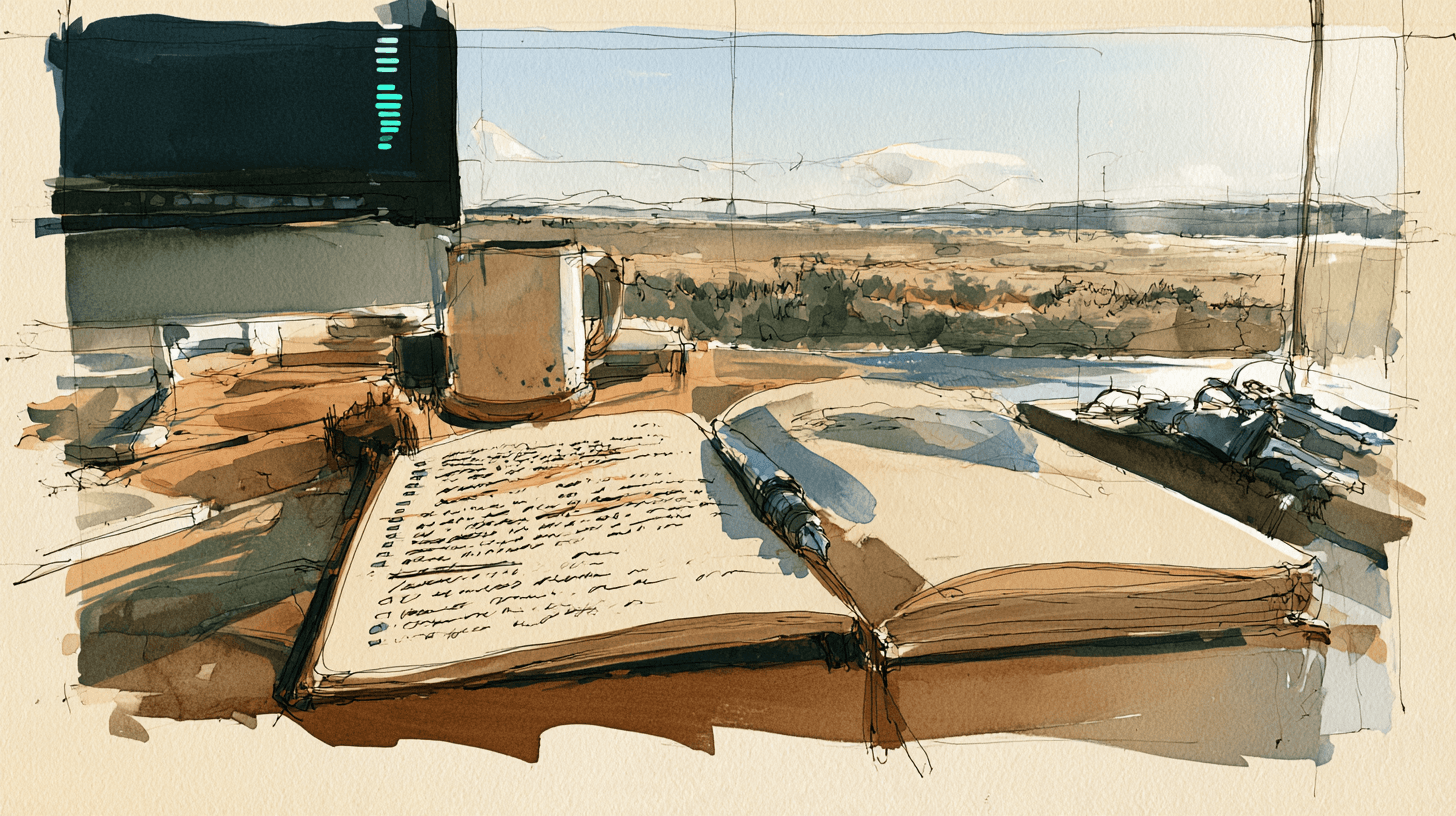

What the Job Actually Is
Closing out the series on 1-1s, all-hands, and town halls: none of the people in it were bad at their jobs. They were working from an incomplete picture of what the job is. The substance of engineering leadership isn't output — it's the conditions you create.
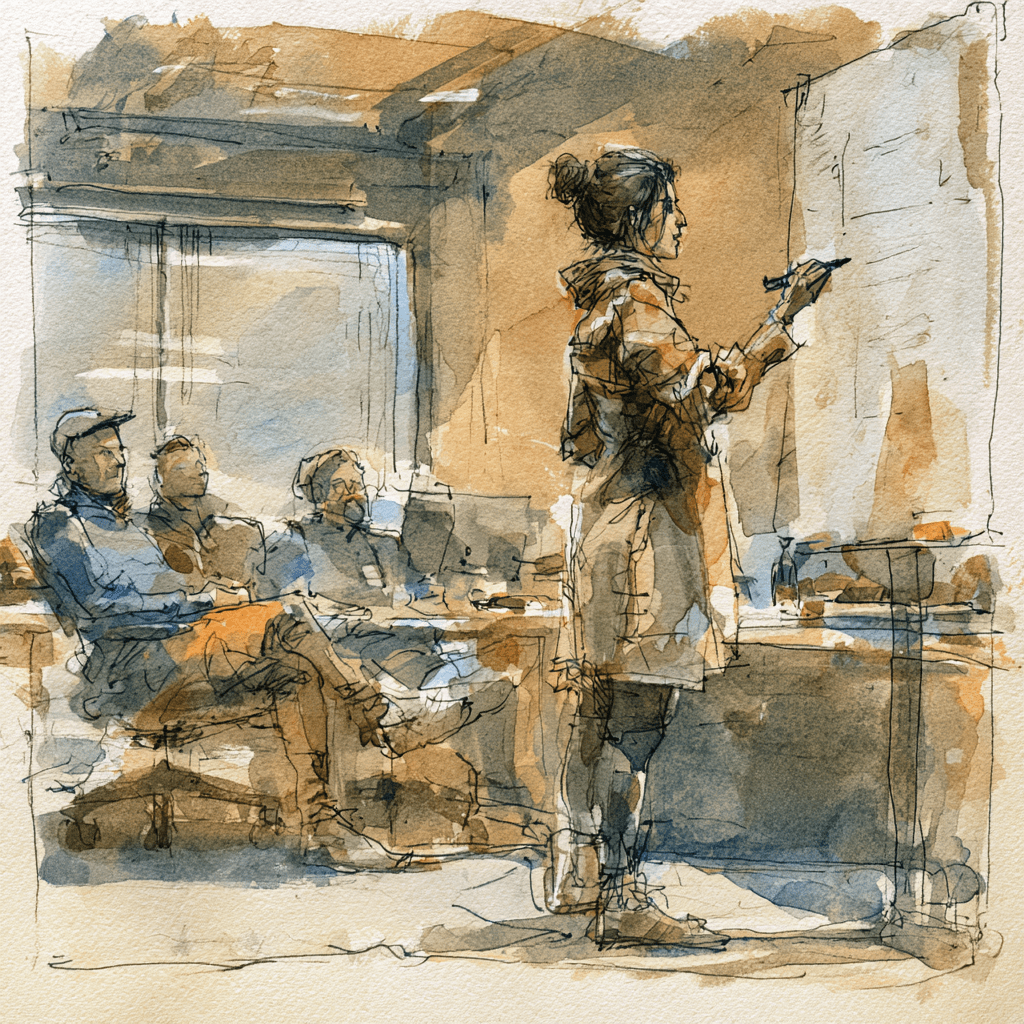
The Best Engineer in the Room
The most common failure mode in engineering management doesn't look like failure. The team ships, the code is clean, the manager is visibly competent. What's missing is underneath: a team quietly shrinking because the manager keeps getting there first.
Stay in the loop.
Subscribe and read every new piece a few days before it goes public on the site — straight to your inbox, ahead of everyone else. No spam, just substance.
Already a subscriber?
We'll send you a sign-in link. No password needed.
The Archive

The Meeting That Used to Be a Patio
Most all-hands and town halls run on autopilot: quarterly, slide deck, Q&A. The format survived; the original intention didn't. What's left is a reporting session that signals distrust, when the moment calls for something else entirely — meaning, not metrics.

The 1-1 That Isn't One
Most engineering managers learned to run 1-1s by defaulting to what they already knew: the work. But the sprint status is available somewhere else. The 1-1 is the only recurring instrument a manager has for actually knowing the person in the room.
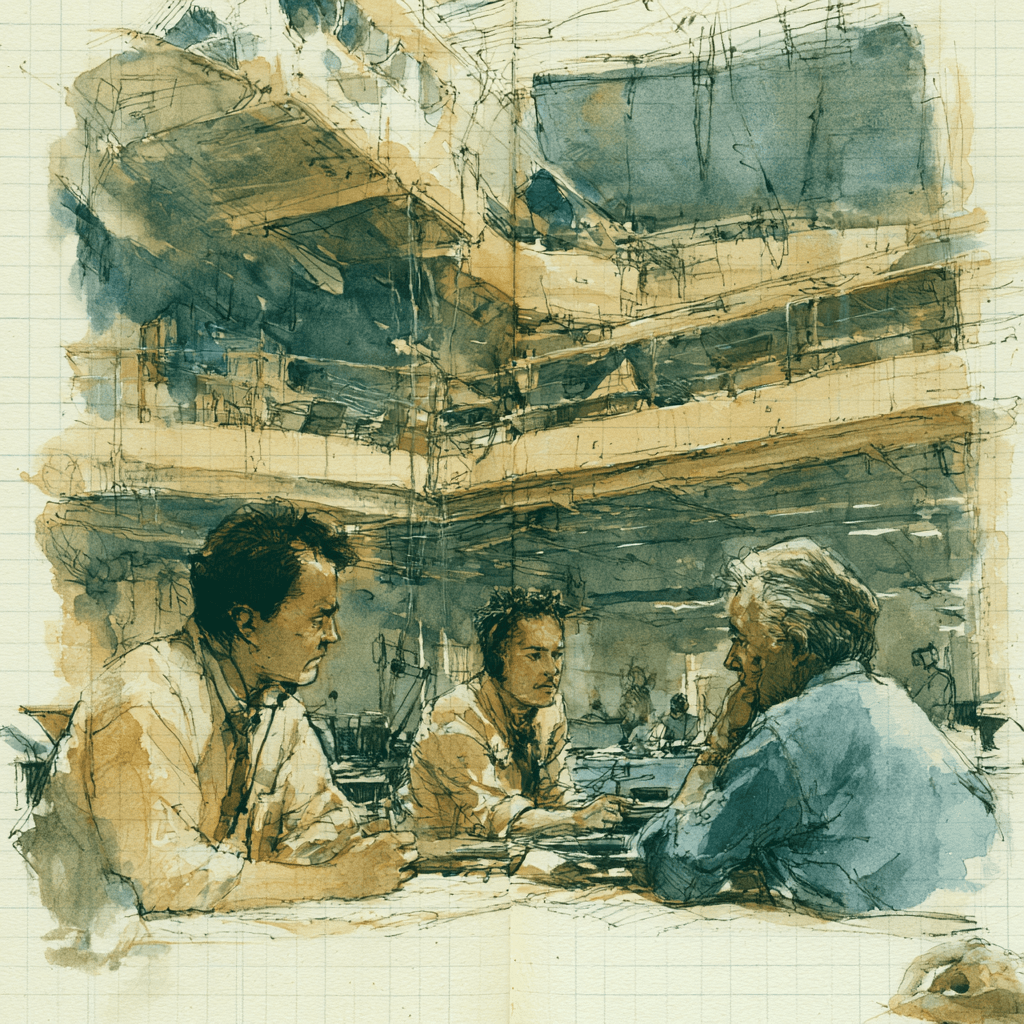
The Hostage You Signed For
A legal deadline is handed to you. A contractual one you agreed to — which makes it not a planning problem but a strategy problem wearing a planning problem's clothes. The fixed-scope, fixed-date contract feels like risk management. It's risk concentration, committed at the moment you know least.
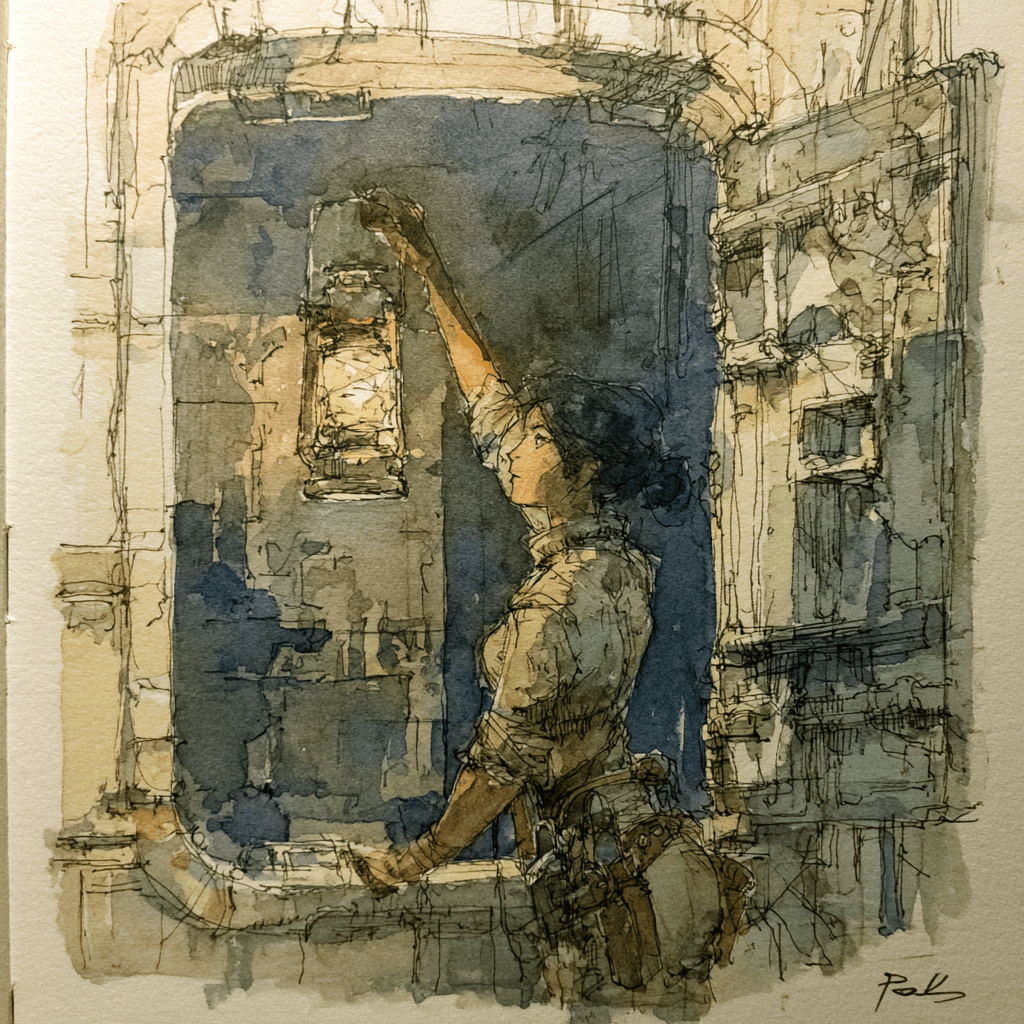
Do the Frightening Part First
"Hard things first" is a motivational cliché. The disciplined version is sharper and stranger: confront the part you understand least, not the part that's most laborious — because uncertainty is only cheap to be wrong about while you still have time.
When the Deadline Is Real
A self-imposed date on a big idea is a guess you've chosen to be held hostage by. A real, external deadline is something else entirely — a constraint you engineer within. The discipline doesn't break. It inverts.
A Deadline Is a Guess in a Suit
Setting a date on a big idea feels like a commitment. It's a guess wearing formal clothes. The discipline that actually produces calm work runs the other way around — fix the time, size the problem to fit, and let the team learn its way to the answer.
You Were Told This Twenty Years Ago
The bottleneck was never the code. Agile, XP and DevOps said so out loud, decades ago. The companies discovering it now aren't learning something new — they're confessing they never understood the methods they claimed to run.

Calm Is a Practice, Not a Temperament
You don't stay calm under pressure. You prepare to. Panic is what happens when the fundamentals you never made automatic start competing for attention with the problem that's actually new.

We Don't Know Yet, And That's Fine
The honest answer to most predictions about AI and engineering is "we don't know yet." That answer is harder to publish than a hot take — and more useful than one.

The Hands-On Commander
The textbook Incident Commander doesn't exist on most teams — and pretending otherwise makes incidents worse, not better. How small-team commanders run the response with their hands in the work.
Envault
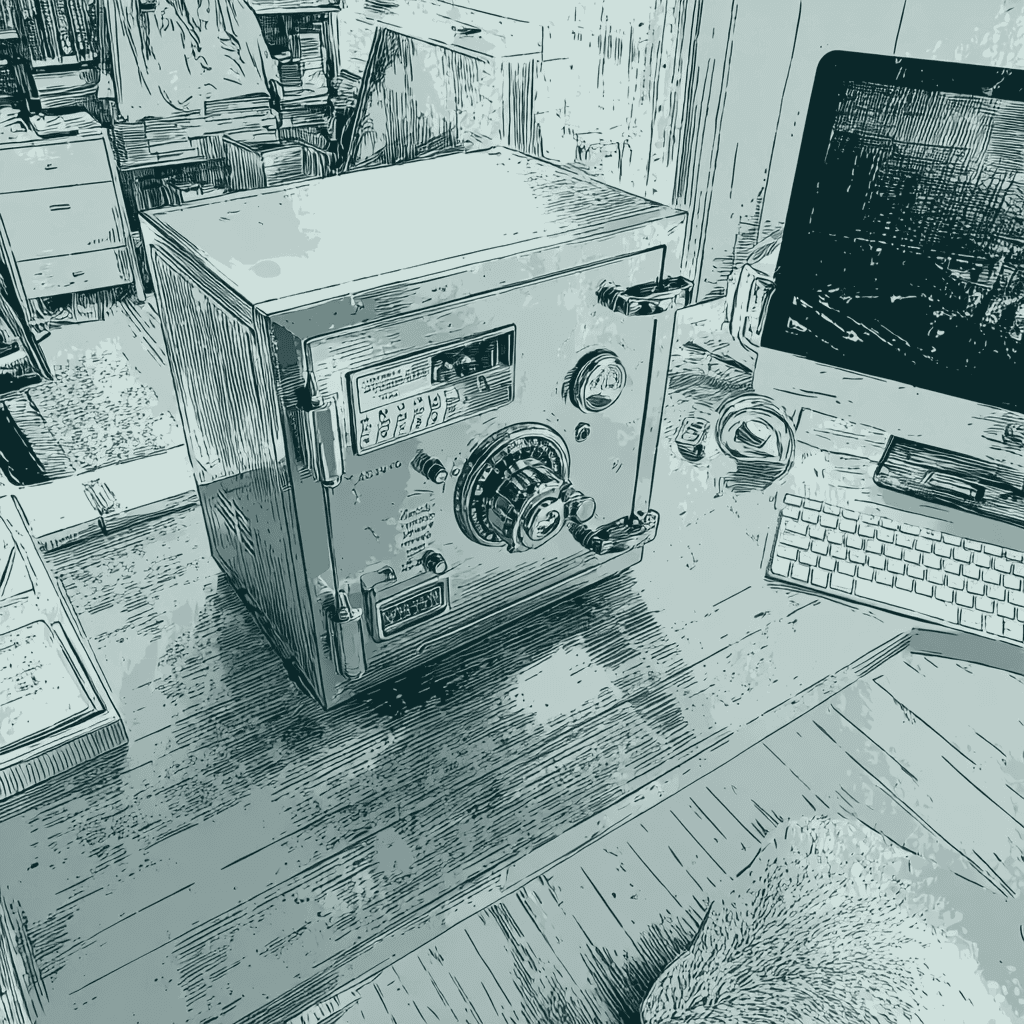
A small tool I built to stop leaving secrets in plaintext .env files. AWS credentials, API tokens, anything — encrypted at rest, injected into the subprocess on demand, gone when the process exits. Public, MIT-licensed, on GitHub today.

Running the Watch
The Lookout role pays for itself, but only if you build the rotation that holds it. How to give slack a name, a deliverable, and a person — without it becoming a luxury or a burden.

The Lookout
The job of paying attention to the system — the role most teams have but never name. By the time something appears on a dashboard, it has been happening for a while. Someone needs to see the smoke early.

Your Incident Isn't Over When the Site Comes Back
Most teams stop at resolution. The ones that don't are the ones that get better.

The Role Nobody Assigned
The incident response foundations held — but everything around the edges fell apart. One unassigned role explains why communication chaos compounds during every incident.

Your First Incident Will Tell You Everything
Most teams handle small incidents fine through luck and proximity. But the same pattern that works for a five-minute fix produces hours of downtime when complexity doubles. Three structural changes cost nothing and change everything.

The Gap AI Closed Wasn't the One You Think
Everyone talks about speed. But the real shift isn't how fast engineers work — it's what they can now attempt. The execution tax disappeared, and the binding constraint moved upstream where it always belonged.

Don't Panic
Panic is not a strategy. It is the absence of one. Urgency is a feeling. Clarity is a choice. And sustainable pace is not a compromise but a competitive advantage.

Why Quiet, Solid Leadership Is Structurally Better Than Loud, Performative Leadership
Quiet leadership produces steady, compounding results. But steady and compounding doesn't make the news. So the examples exist — they're just buried under the noise of everyone else performing urgency.

What Do I Slow Down For You?
Six words that replace every uncomfortable capacity conversation. Not "no," not a lecture on velocity — just a question that makes the trade-off visible and puts the decision where it belongs.

The Research Paper That Explained 5 Years of Unease
Five years at a startup that looked right on paper. The mission was real, the people were talented, and yet something was off. Ron Westrum's research on organisational culture finally gave it a name.

Mini-teams of Three: Building Capacity for Real Ownership
The pair model solved the ownership problem. It didn't solve the resilience problem. For that, you need one more person — and what emerges is more interesting than just availability.

Mini-teams of 2: Where Leadership Emerges
Pairing changes who holds context, who makes decisions, and who feels responsible. But it also reveals something you can't see in a ticket-based model: who your leaders actually are.

Contractor Swarms: Why It Works (Until It Doesn't)
The dispatch model works brilliantly at 5 to 8 engineers. But past that point, the seams start to show. Here's how to recognise the inflection point and what comes next.